Foliar nitrogen
In-season liquid N applied over the canopy to top off the crop when it needs it. Good for the late-season protein push on wheat and for feeding fields the ground rig can no longer reach.

There is a window when the crop needs feed and the ground will not let a ground rig in. The canopy is too tall, the field is too soft after a rain, or you are past the point where you want tires running through heading wheat. That is where we come in. We apply liquid foliar feed and dry fertilizer top-dress by air across Whitman County and the surrounding Palouse, so the crop gets fed on time regardless of what the ground is doing.
We fly foliar nitrogen and micronutrients as a liquid spray, and we put down dry fertilizer as a top-dress out of the hopper. Same aircraft, same crew, whichever the field calls for. We have been doing this out of Colfax since 1994, with a second base at Oakesdale to cut ferry time on the east side of the county.
The point of feeding by air is timing and no ground damage. You are not waiting three days for the field to firm up. You are not driving wheel tracks through a canopy that is already knee high. We get over the field, put the feed where it belongs, and get out.
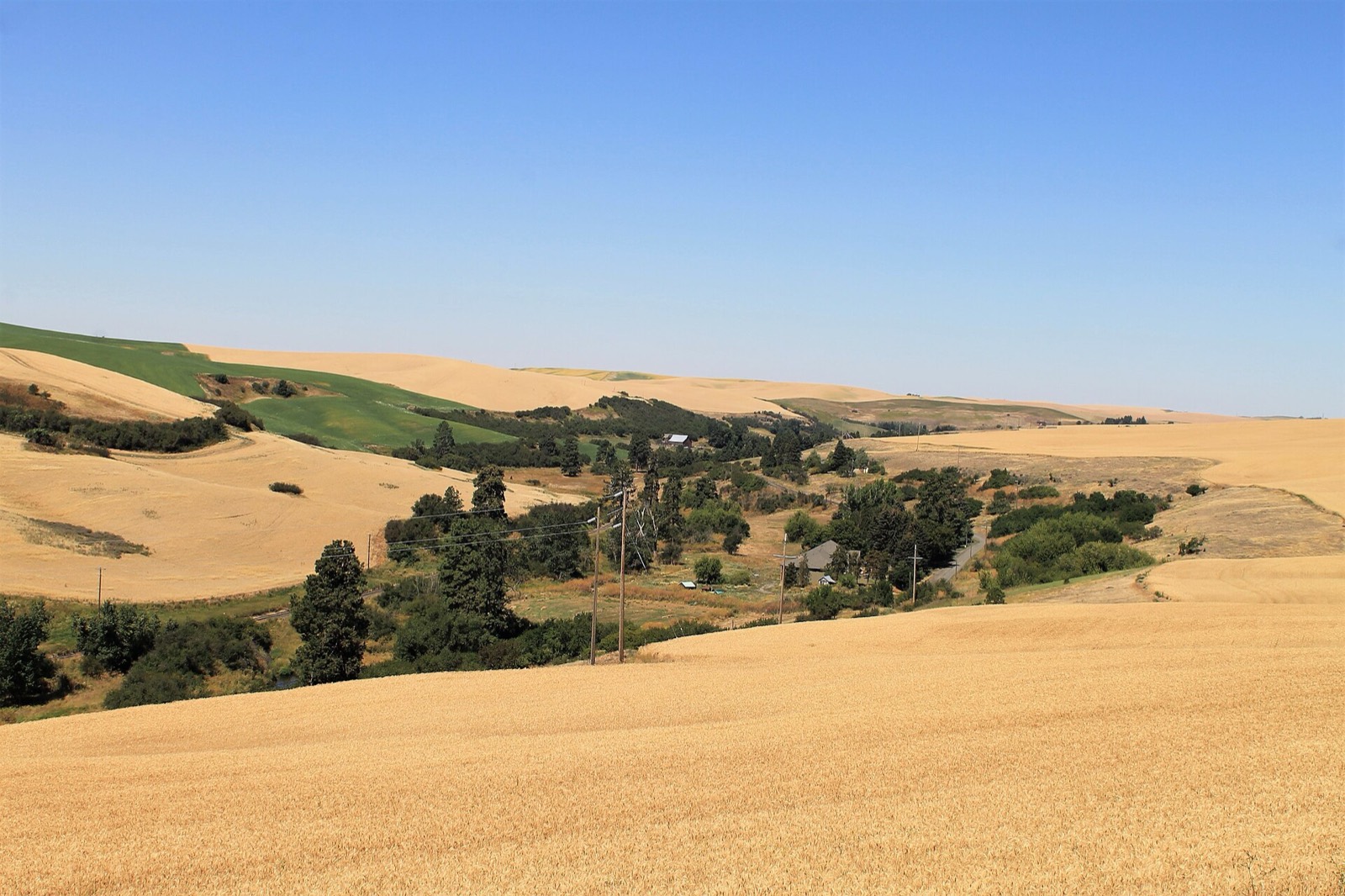 On the Palouse · Since 1994
“If the ground rig cannot get in, we can. The crop gets fed on time and nothing drives through it.”
— Fender Air Service
In-season liquid N applied over the canopy to top off the crop when it needs it. Good for the late-season protein push on wheat and for feeding fields the ground rig can no longer reach.
Foliar sulfur, boron, zinc, manganese and the rest, applied in a liquid pass, on their own or tank-mixed with a fungicide or feed you already have planned so it is one trip over the field.
Dry granular fertilizer spread out of the hopper across the field. When the ground is too soft to carry a spreader truck or the crop is too far along to drive, we top-dress it from the air.
Feeding the cereal crop through the tall part of the season, from flag-leaf up through heading, without waiting on the field to dry or running tires through it.
Nothing rolls through the field. No compaction, no crushed rows, no tracks running the length of the field that cost you yield at harvest.
If you are already having us fly a fungicide or a burndown, we can carry a foliar feed in the same pass where the label allows it. One flight instead of two.
You tell us the crop, the growth stage, the product and rate, and where the field sits. We work out whether it is a liquid pass or a dry top-dress and when it needs to fly.
We mix the liquid to your rate or load the dry material into the hopper, check the field boundaries, note the buffers and any sensitive neighbors, and plan the pattern before we fly.
We watch for inversion and drift and we fly the field in the window that keeps the feed on your crop and off the fence line. If the wind is wrong we wait, we do not push it.
Linda keeps the office straight on scheduling and paperwork. When the field is flown you hear back with what went on and when, so your records are clean.
The usual reason to go aerial with feed is that the ground will not let a rig in. A wet spring, a soft field after a rain, or a canopy that is already too tall to drive without tearing it up. On the Palouse the ground is soft and the hills are steep, and there are plenty of years where the ground rig simply cannot get across the field when the crop needs feeding.
The other reason is stage. Once the wheat is heading and you are looking at a late-season nitrogen application for protein, you do not want wheel tracks running through it. Foliar N by air lets you make that top-off pass clean. Same story with micronutrients on peas, lentils, garbanzos and canola through the middle of the season. If the crop needs it and the calendar says now, we can fly it now instead of waiting on the field.
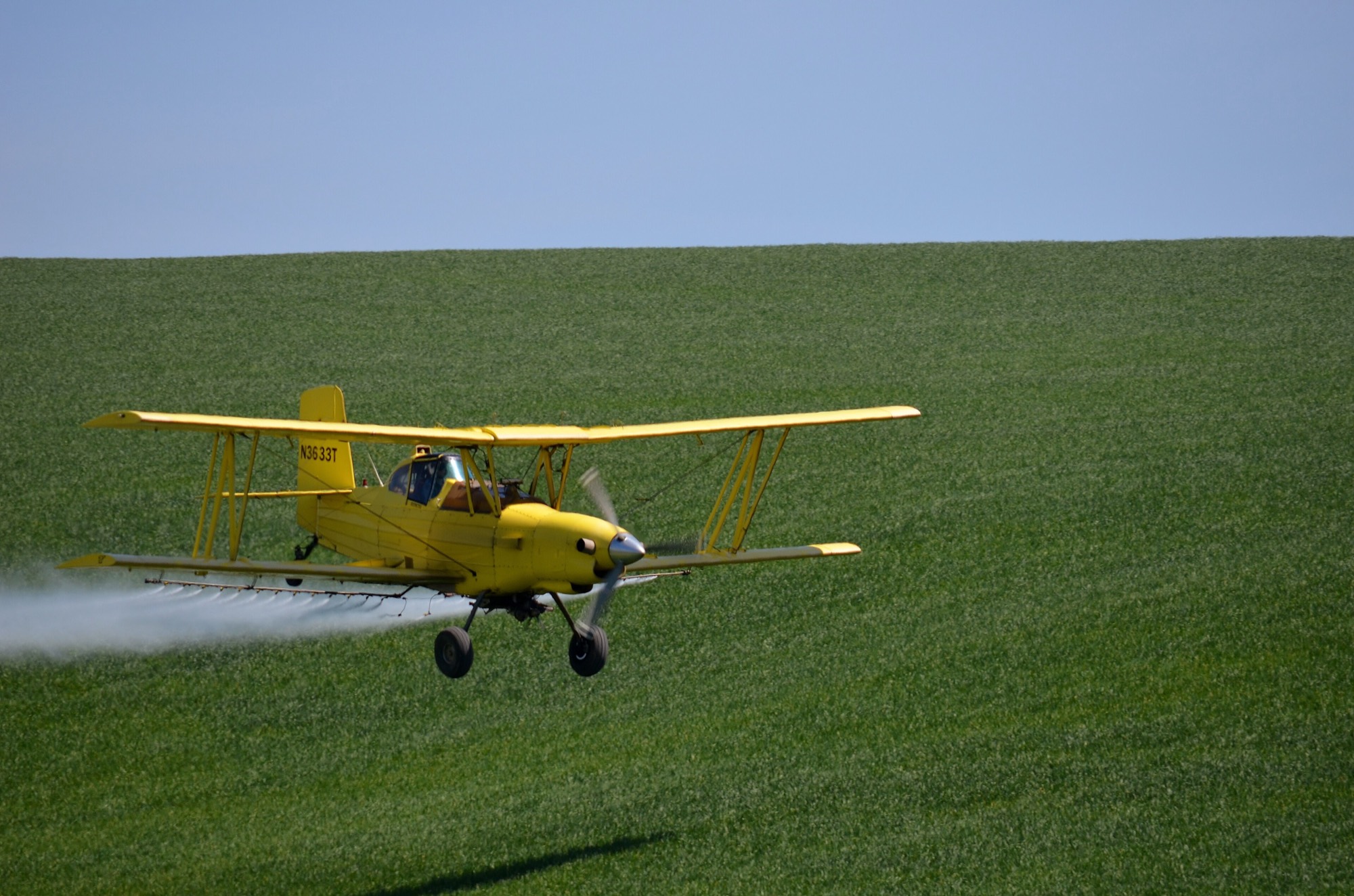 Flown when the window opens
The crop gets fed on the day it needs feeding, not three days later when the field finally firms up. Timing is most of the value in an in-season feed and air keeps you on schedule.
No tires, no compaction, no wheel tracks. Nothing drives through a standing crop, so you keep the yield that ground rigs cost you in tracks and crushed rows.
Wet fields, tall canopy, steep Palouse ground. We get over fields that a truck or floater cannot reach, and we do it without waiting for conditions to change.
Family-owned out of Colfax with a second base at Oakesdale. We know these crops and this ground, and we are close enough to fly your field on short notice when the window is tight.
Often yes. Where the label allows the tank mix, we can carry a foliar feed with a fungicide and put both on in one flight. Tell us what you have planned and we will work out what can ride together.
As late as the crop stage and the product label allow. That is the main reason growers call us for feed. Once the canopy is tall or the field is heading, a ground rig is out and air is the only clean way to get feed on the crop.
Both. Liquid foliar feed sprays over the canopy and dry granular fertilizer spreads out of the hopper as a top-dress. We run whichever the field calls for out of the same aircraft.
We watch the wind and the inversion and we hold the buffers around sensitive ground. If conditions are wrong we wait rather than put your feed where it does not belong. Keeping it on your crop is the whole job.
Call the shop or send your fields and we'll get you on the schedule.