
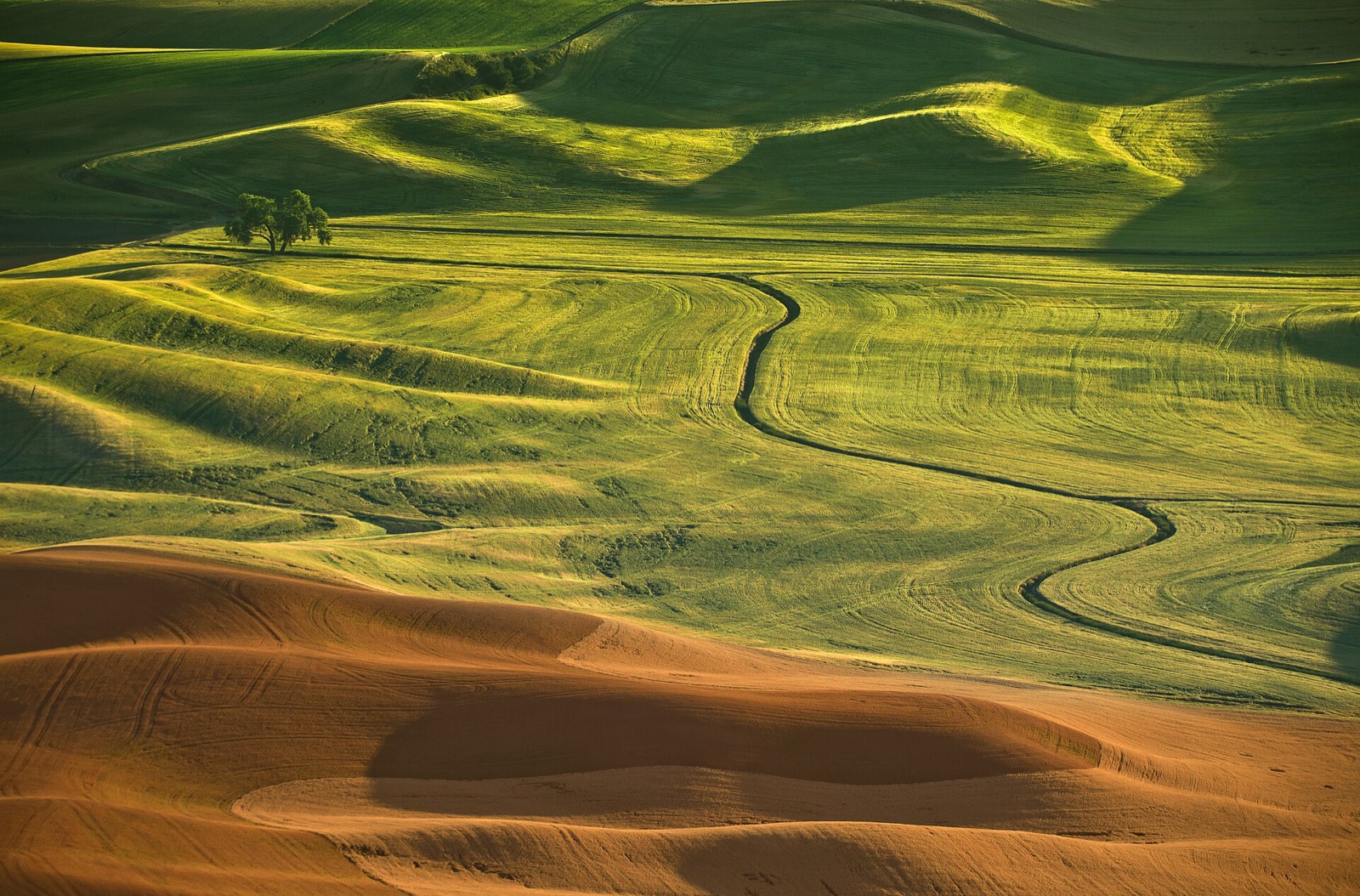
Est. 1994  ·  Colfax, Washington Aerial application, seeding & fertilizer · flown across the Palouse

Home / Services / Aerial Seeding

Aerial Seeding.

Broadcast seeding from the air puts seed on the ground fast, over standing stubble and across steep or wet ground you cannot drill. We seed cover crops, cereal rye, pasture and CRP right ahead of a rain, so the weather does the drilling for you.

The Work

What it is.

Aerial seeding is broadcasting seed out of the airplane instead of running it through a drill. We fly low over the field and meter the seed out of the hopper in an even pattern, so it lands on top of the ground where the next rain can work it in. It is the fastest way we know to get seed down over a lot of acres in a short window.

On the Palouse that speed matters. When you are trying to get a cover crop or cereal rye established after harvest, you are racing the calendar and the forecast at the same time. We can seed right into standing stubble ahead of the combine, or come in behind it, weeks before a drill could get across the ground. The seed is down and ready to catch the first moisture instead of sitting in the shed.

It also gets seed onto ground a drill will never touch. Steep sidehills, wet draws, soft bottoms and CRP going back to grass all get the same even coverage from the air. No wheel tracks, no ruts, no getting a rig stuck in a wet spot. We have flown this country out of Colfax and Oakesdale since 1994, and seeding is a big part of what we do late in the season.

Aerial Seeding on the Palouse On the Palouse · Since 1994

“Get the seed on before the rain and let the weather do the drilling for you.”

— Fender Air Service
What It Covers

The whole job.

Cover crops and cereal rye into stubble

Cereal rye is the Palouse workhorse. It is tough, it comes up on a little moisture, and it holds soil over winter. We broadcast it and other cover mixes right over standing stubble, ahead of or behind the combine, so the cover is established before the ground freezes.
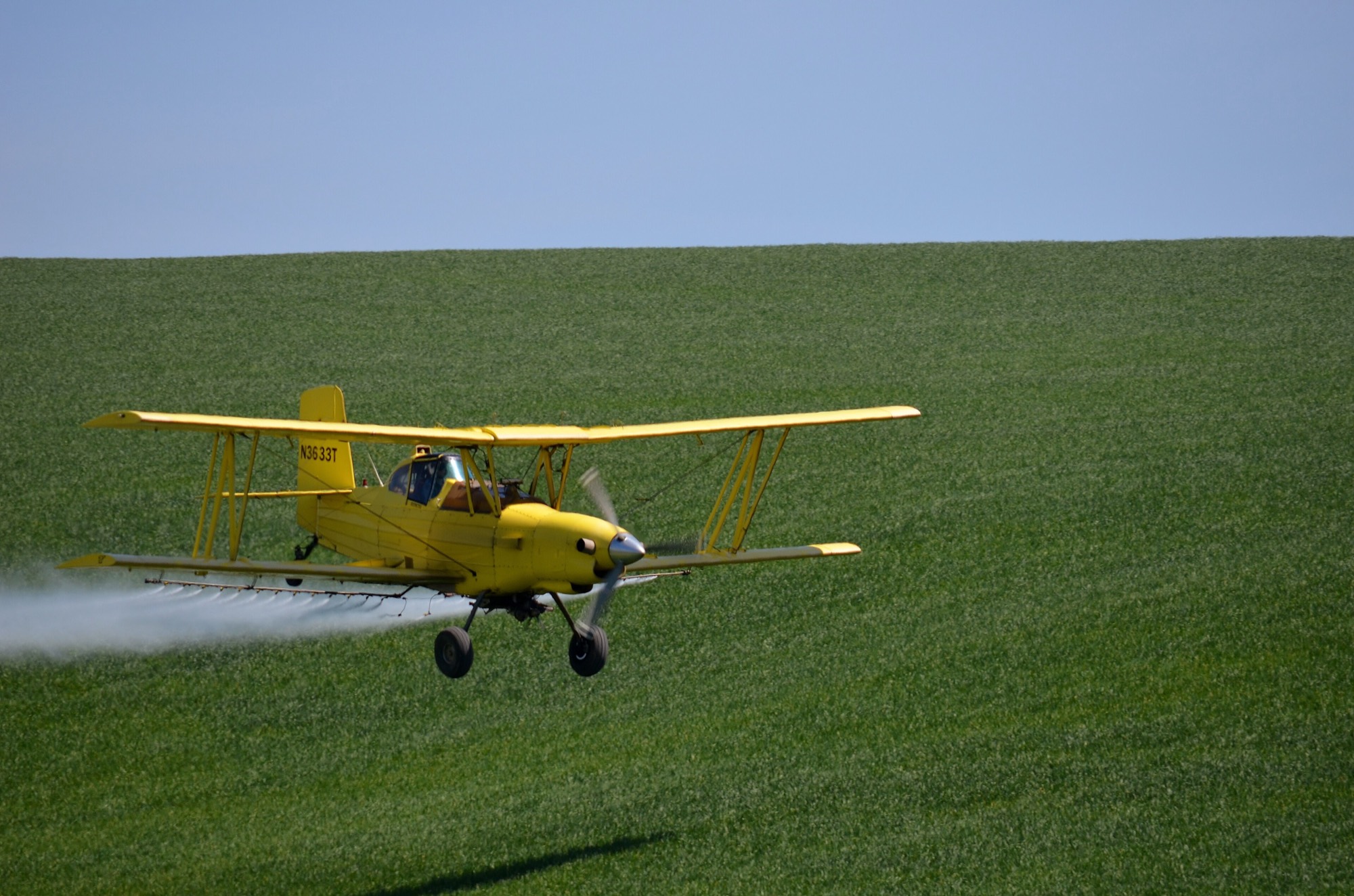
Seeding ahead of, or behind, the combine

We can fly seed into a standing crop in the last stretch before harvest, or come in over fresh stubble right after. Either way the seed is on the ground and catching moisture weeks earlier than a drill could manage.

Pasture and grass seed

Reseeding a tired pasture or a bare patch by air gets even coverage without tearing up the sod or fighting a drill across rough, rocky ground. Good for filling in thin stands and getting grass back onto worked ground.

CRP and grass going back to cover

CRP seedings and native or introduced grass mixes going onto retired ground get flown on evenly, corner to corner, including the steep and broken pieces a ground rig has to skip.

Steep hillsides and wet bottoms

The ground you cannot drill is the ground we fly best. Steep Palouse sidehills, wet draws and soft bottoms all get the same even spread from the air, with no wheel tracks and nothing to get stuck.

Whole-field, whole-farm coverage in a day

When the weather lines up we can cover a whole field, or a whole farm, in a day. That speed is the difference between beating a rain and missing it.

How We Fly It

Step by step.

01

Call in the field and the plan

Tell us the acres, where they are, what you want seeded and roughly when. We will talk species, rate and timing, and give you a straight quote. Get on the schedule early, because late-summer seeding stacks up right alongside harvest.

02

We mark the ground and the hazards

Before we fly we lay out the field and note the power lines, trees, wires, sensitive edges and the safe approaches. On seeding jobs we also look at how the field blocks up so we can fly it clean and cover every corner.

03

We load the hopper and watch the window

We calibrate the spread for your seed and rate, load the hopper, and fly it into the weather window. The aim on seeding is getting it down just ahead of a rain, so we keep an eye on the forecast and go when it is fit.

04

Flown, covered, and logged

We put the seed on evenly, corner to corner, keep the records, and call to let you know it is done. Then the next rain does the drilling for you.

When to seed by air on the Palouse

Timing is the job.

The sweet spot is putting seed down just before a rain, with enough season left for the stand to root in before winter. Get the seed on ground that is about to get moisture and let the weather work it in. That is the whole idea behind seeding from the air instead of waiting on a drill.

On the Palouse that usually lands late summer into early fall, seeding into standing stubble ahead of or right behind the combine. But it moves with the crop and the year, so the real answer is to watch the forecast and get on our schedule early. When a rain shows up on the ten-day, the fields that are already booked are the ones that get flown in time.

Fender Air Service working the Palouse Flown when the window opens
Why Aerial

Why growers call us for it.

01

Beat the rain instead of chasing it

A drill can only cover so much ground in a day, and it cannot run at all when the field is wet. From the air we can seed a whole farm ahead of a forecast rain, so your seed is down and ready when the moisture comes.

02

Reach ground you cannot drill

Steep sidehills, wet draws, soft bottoms and rough CRP ground all get even coverage from the air. No ruts, no wheel tracks, and nothing to get stuck in the mud.

03

Earlier establishment

Seeding into standing stubble ahead of the combine, or right behind it, gets your cover crop weeks of head start over waiting for a drill. That extra time roots the stand in before it turns cold.

04

Speed when the window is short

When the weather only gives you a day or two, coverage is everything. We can put seed on a lot of acres fast, so a tight window does not cost you the stand.

Good To Know

Questions about aerial seeding.

Does broadcast seeding from the air need a higher rate than drilling?

Usually yes, some. When seed is broadcast onto the surface instead of tucked into a furrow, not every seed makes good contact, so we bump the rate up to make up for it. How much depends on the seed and your goal, and we will talk through it before we fly.

What kind of seed can you fly?

Cover crops and cereal rye are the bread and butter, and we also fly pasture and grass seed and CRP mixes. If it will meter cleanly out of the hopper and broadcast evenly, we can put it on. Tell us what you have in mind and we will let you know.

Can you seed into a standing crop before harvest?

Yes. Flying seed into a standing crop in the last stretch before harvest, or over fresh stubble right after, is one of the big advantages of seeding by air. It gets the cover established weeks earlier than a drill could get across the field.

Do I need moisture in the ground first, or should I wait for rain?

The goal is to get the seed down just ahead of a rain and let the weather work it in. You do not need the ground wet when we fly, you need moisture coming. That is why we watch the forecast and try to fly your field into the window right before it rains.

More We Fly

Other services.

Put it on by air, done right.

Call the shop or send your fields and we'll get you on the schedule.